

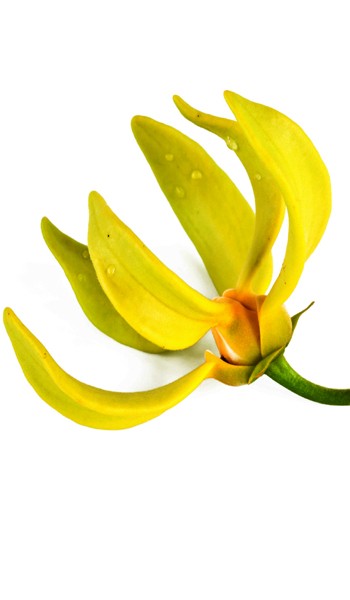
Ylang Ylang Tree

$ 94.44

Perimeter Seals are sealing solutions designed to create a an airtight fire resistant barrier around the edges and perimeter of fire doors, regular doors, joints and openings. Perimeter seals prevent passage of water, fire and smoke through gaps.

Perimeter Seals can typically last 10 -15 years with annual inspections and maintenance.

Majority of Acoustic seals can last from 10 to 15 years of optimal performance depending on the type of acoustic seal and conditions.

Acoustic seals are designed to reduce sound transmission through gaps, joints and openings between doors, windows and walls throughout the building. They eliminate sound waves which can easily pass through gaps, which enhances the soundproofing system for doors, windows and walls.

Acoustic seals can be used in commercial buildings, residential buildings public buildings. Typically they are installed around doors, windows and brushes.

Acoustic seals can provide noise reduction of up 20db improvements in sound reduction for doors, windows and walls.

Unsure about something? Get in touch to ask us a questions

Contact Us
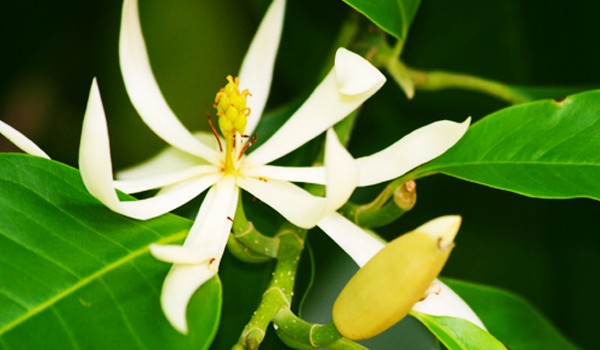
Common name: Ylang Ylang Botanical name: Cananga odorata Avg Height X Width: 35-40’ Origin: Myanmar family: Annonaceae Damage temp 28 F   Ylang Ylang Tree in a 3 gallon container. The ylang ylang is an elegant open tree famous for its flower’s fragrance which is used in nine different perfumes including Chanel #5. The flower itself is large, showy, and obviously extremely aromatic. The tree blooms sporadically throughout the year, but is heaviest in late autumn. Description Ylang-ylang  (ee-lang ee-lang) Cananga odorata, is a small flower of the cananga tree. It is a fast-growing tree that exceeds 5 meters per year and attains an average height of 12 meters. It grows in full or partial sun, and prefers the acidic soils of its native rainforest habitat. The leaves are long, smooth and glossy. The flower is greenish yellow (rarely pink), curly like a sea star, and yields a highly fragrant essential oil. A related species is Cananga fruticosa, which is a dwarf ylang-ylang that grows as small tree or compact shrub with highly scented flowers. Ylang-ylang has been cultivated in temperate climates under conservatory conditions. Its fruit are an important food item for birds, such as the Collared Imperial-pigeon, Purple-tailed Imperial-pigeon, Zoe's Imperial-pigeon,  Superb Fruit-dove, Pink-spotted Fruit-dove, Coroneted Fruit-dove, Orange-bellied Fruit-dove, and Wompoo Fruit-dove. The name ylang-ylang is derived from Tagalog, either from the word ilang, meaning "wilderness", alluding to its natural habitat, or the word ilang-ilan, meaning "rare", suggestive of its exceptionally delicate scent. The plant is native to the Philippines and Indonesia and is commonly grown in Polynesia, Melanesia and Micronesia. The fragrance of ylang-ylang is rich and deep with notes of rubber and custard, and bright with hints of jasmine and neroli. The essential oil of the flower is obtained through steam distillation of the flowers and separated into different grades  according to when the distillates are obtained. The main aromatic components of ylang-ylang oil are benzyl acetate, linalool and p-cresyl methyl ether and methyl benzoate, responsible for its characteristic odor. The essential oil of ylang-ylang is used in aromatherapy. It is believed to relieve high blood pressure, normalize sebum secretion for skin problems, and is considered to be an aphrodisiac. According to Margaret Mead, it was used as such by South Pacific natives such as the Solomons where she did much of her research. The oil from ylang-ylang is widely used in perfumery for oriental or floral themed perfumes like Chanel No. 5. Ylang-ylang blends well with most floral, fruit and wood smells. In Indonesia, ylang-ylang flowers are spread on the bed of newlywed couples. In the Philippines, its flowers, together with the flowers of the sampaguita, are strung into a necklace and worn by women and used to adorn religious images. Ylang Ylang is a common ingredient in the motion sickness medicine, MotionEaze.

Perimeter Seals are sealing solutions designed to create a an airtight fire resistant barrier around the edges and perimeter of fire doors, regular doors, joints and openings. Perimeter seals prevent passage of water, fire and smoke through gaps.

Perimeter Seals can typically last 10 -15 years with annual inspections and maintenance.

Majority of Acoustic seals can last from 10 to 15 years of optimal performance depending on the type of acoustic seal and conditions.

Acoustic seals are designed to reduce sound transmission through gaps, joints and openings between doors, windows and walls throughout the building. They eliminate sound waves which can easily pass through gaps, which enhances the soundproofing system for doors, windows and walls.

Acoustic seals can be used in commercial buildings, residential buildings public buildings. Typically they are installed around doors, windows and brushes.

Acoustic seals can provide noise reduction of up 20db improvements in sound reduction for doors, windows and walls.

Unsure about something? Get in touch to ask us a questions

Contact Us